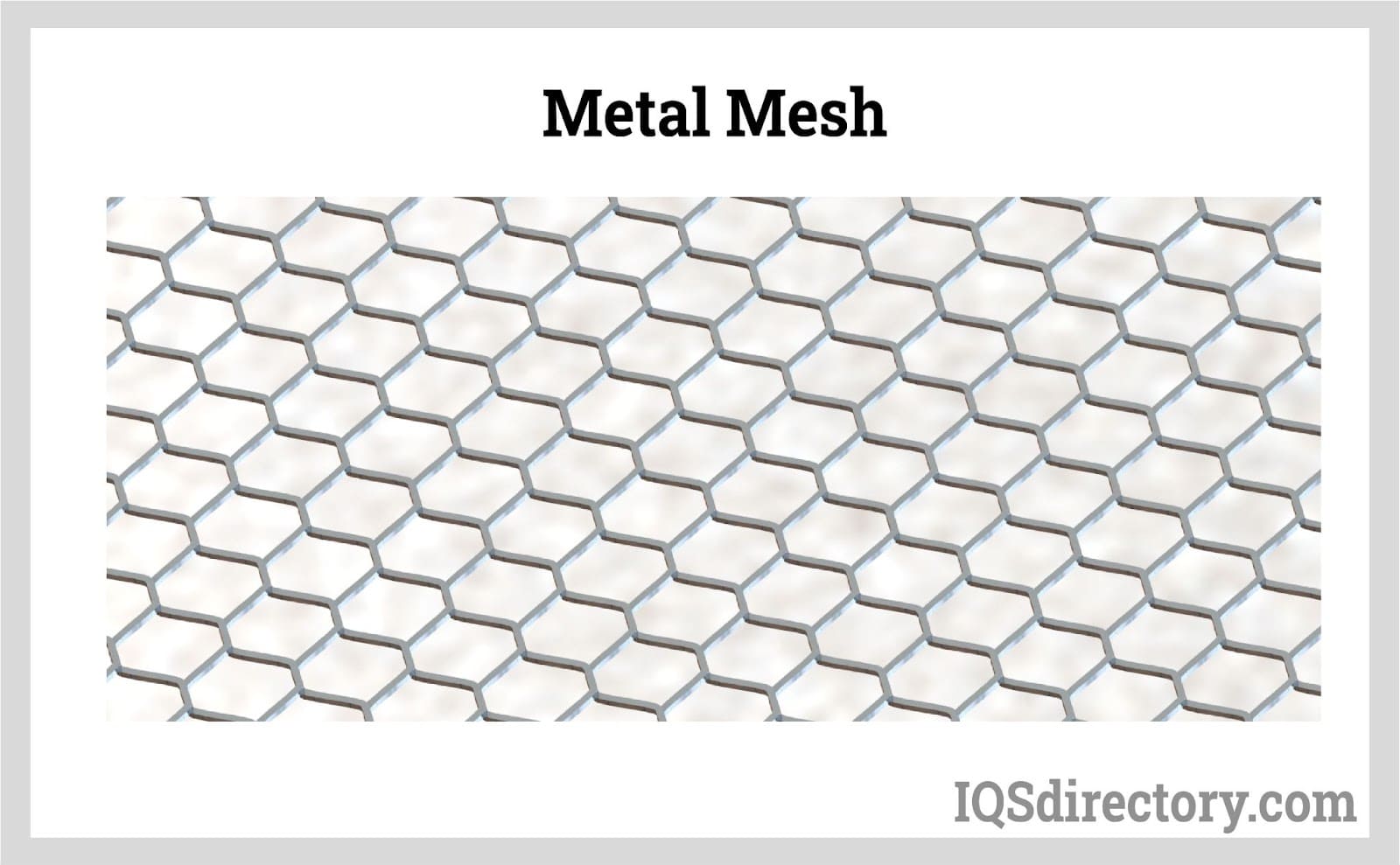
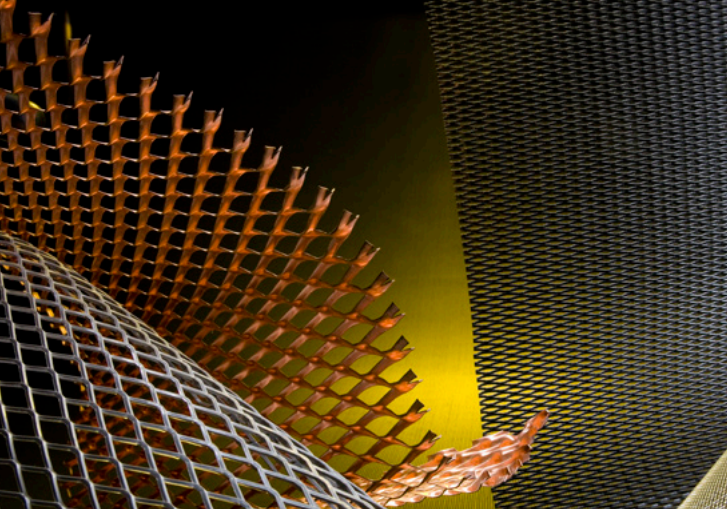
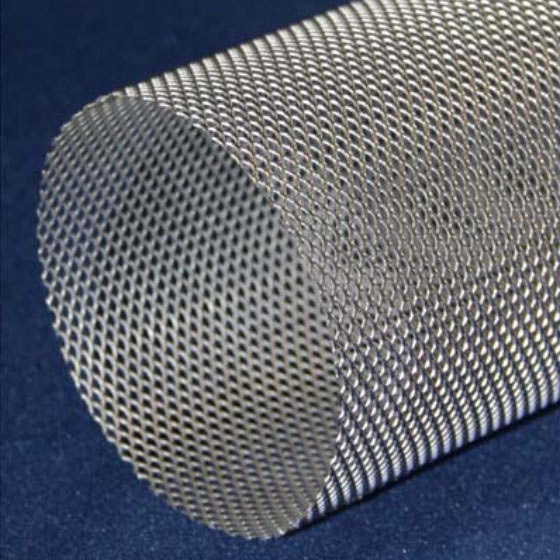
Diamond mesh is a kind of wire product that is mainly utilized as boundary fencing for commercial and domestic applications. Also called rhombic wire mesh because of the shape of its gauges, diamond mesh is constructed out of linear wires that are linked together and form a series of diamond-shaped holes. While most wire products typically employ a regular, square orientation, diamond mesh is made on specially-designed diamond mesh looms which weave the mesh in a diamond-shaped alignment. Read More…
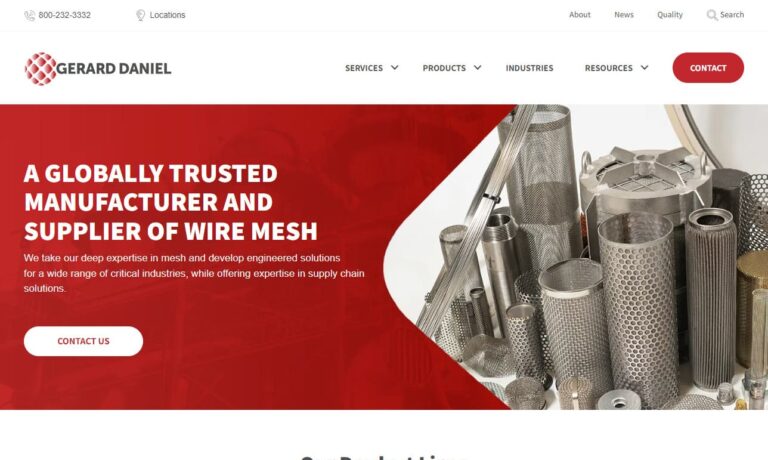
We’ve been a leading manufacturer and distributor of wire cloth/mesh for 70 years, sourcing and stocking North America’s largest selection of wire cloth products – over 5000 in our warehouse. We offer processing capabilities such as precision cutting, calendering, heat treating, cleaning and coating and weave domestically most alloys including brass, copper, Hastelloy, Monel and others into ...
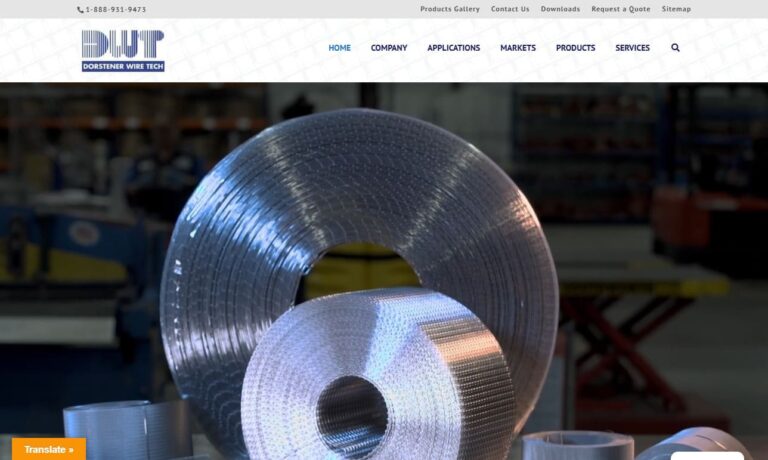
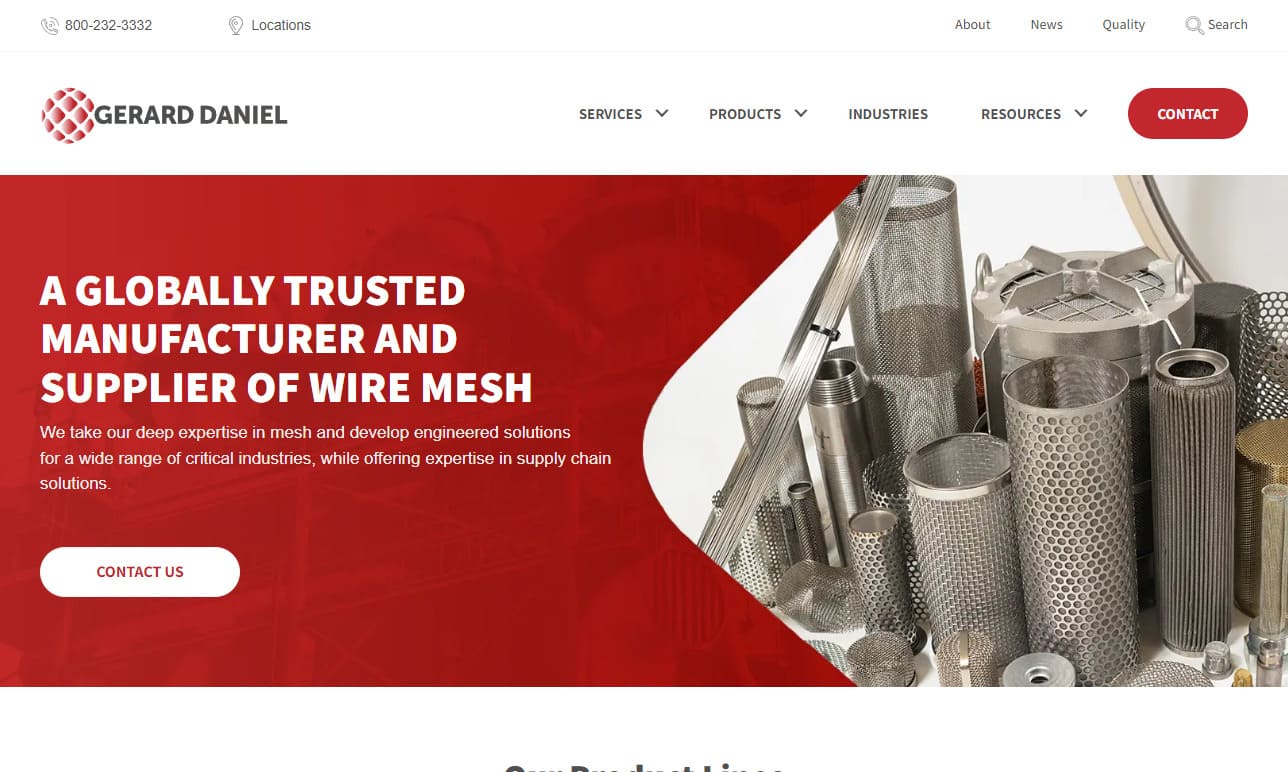
Dorstener Wire Tech manufactures and distributes stainless steel and nickel alloy filters and stainless-steel filter media. With one of the largest inventories of stainless-steel wire cloth in the United States, we offer the same and next-day service. We produce & supply Woven Wire Cloth, Welded Wire Mesh, Sintered Wire Cloth, Metallic Fiber Felt, and finished filter Elements. We service many...
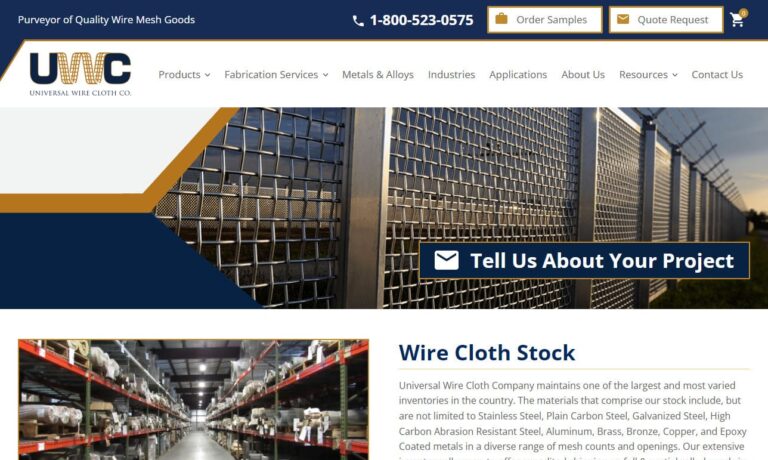
For over 45 years, UWC has supplied quality mesh products for numerous industries with distinct applications. We maintain an extensive inventory of woven & welded wire cloth specifications. Also, our weaving capabilities allow us to manufacture various wire mesh styles. Our fabrication services comprise shearing, slitting and stamping options. In addition, we produce baskets, trays, cylinders,...
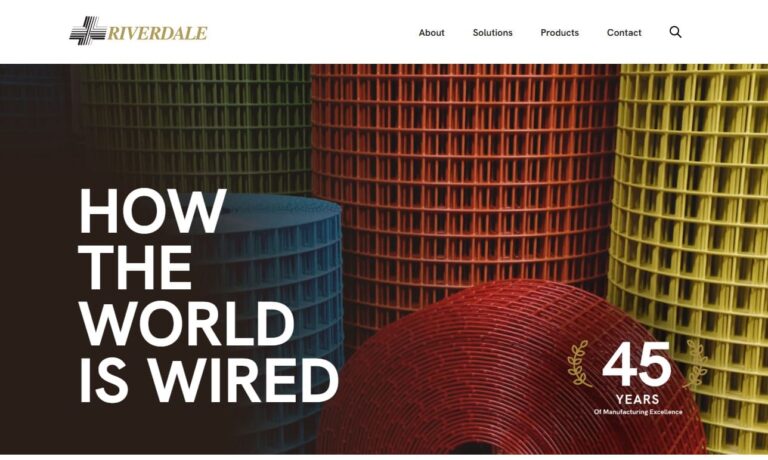
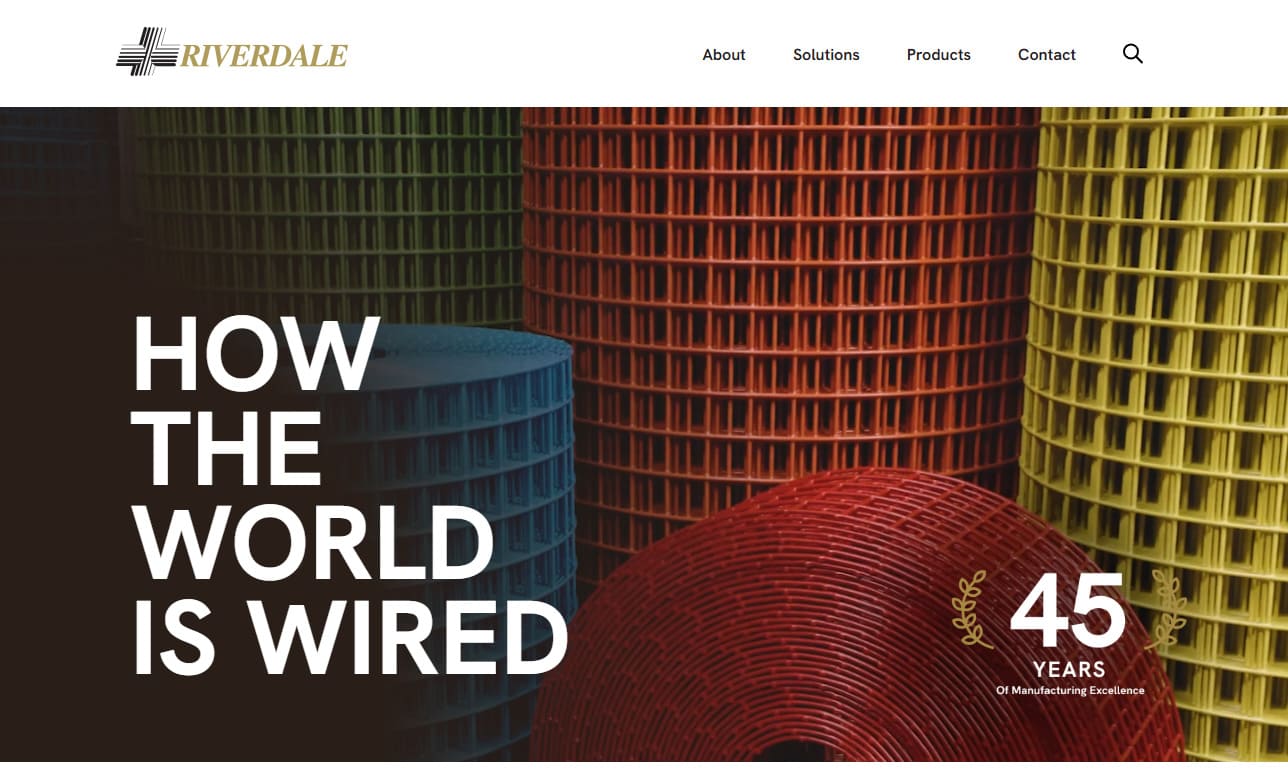
We have been creating wire mesh since 1979 and we strive to bring you the best. Our teams will help to find the perfect size and weave mesh for whatever your needs may be. There is no project too complex for Riverdale Mills Corporation. Contact our representatives to find out how we can get you started toward obtaining your goal! Our qualified staff is standing by awaiting your email, letter or...
Precision Screen Manufacturing is a leading manufacturer of wire cloth. We produce an extensive range of custom mesh, so our customers can ensure that Precision Screen Manufacturing can help with all of their wire cloth needs. With our team that has over 50 years of combined experience in the industry, we can supply a wide range of industries with wire cloth.



More Diamond Mesh Manufacturers

Diamond Mesh: The Comprehensive Guide to Versatile Wire Mesh Solutions
Diamond mesh—also known as diamond wire mesh, diamond mesh fencing, or diamond pattern mesh—is a highly adaptable material engineered to meet a broad range of industrial, commercial, and residential needs. Its signature diamond-shaped apertures make it a top choice for structural reinforcement, security barriers, decorative panels, and more. Whether you are seeking materials for fencing, infill panels, window guards, or architectural applications, understanding diamond mesh’s properties, manufacturing processes, and decision criteria will empower you to select the best product for your project.
What Is Diamond Mesh? Key Features and Definitions
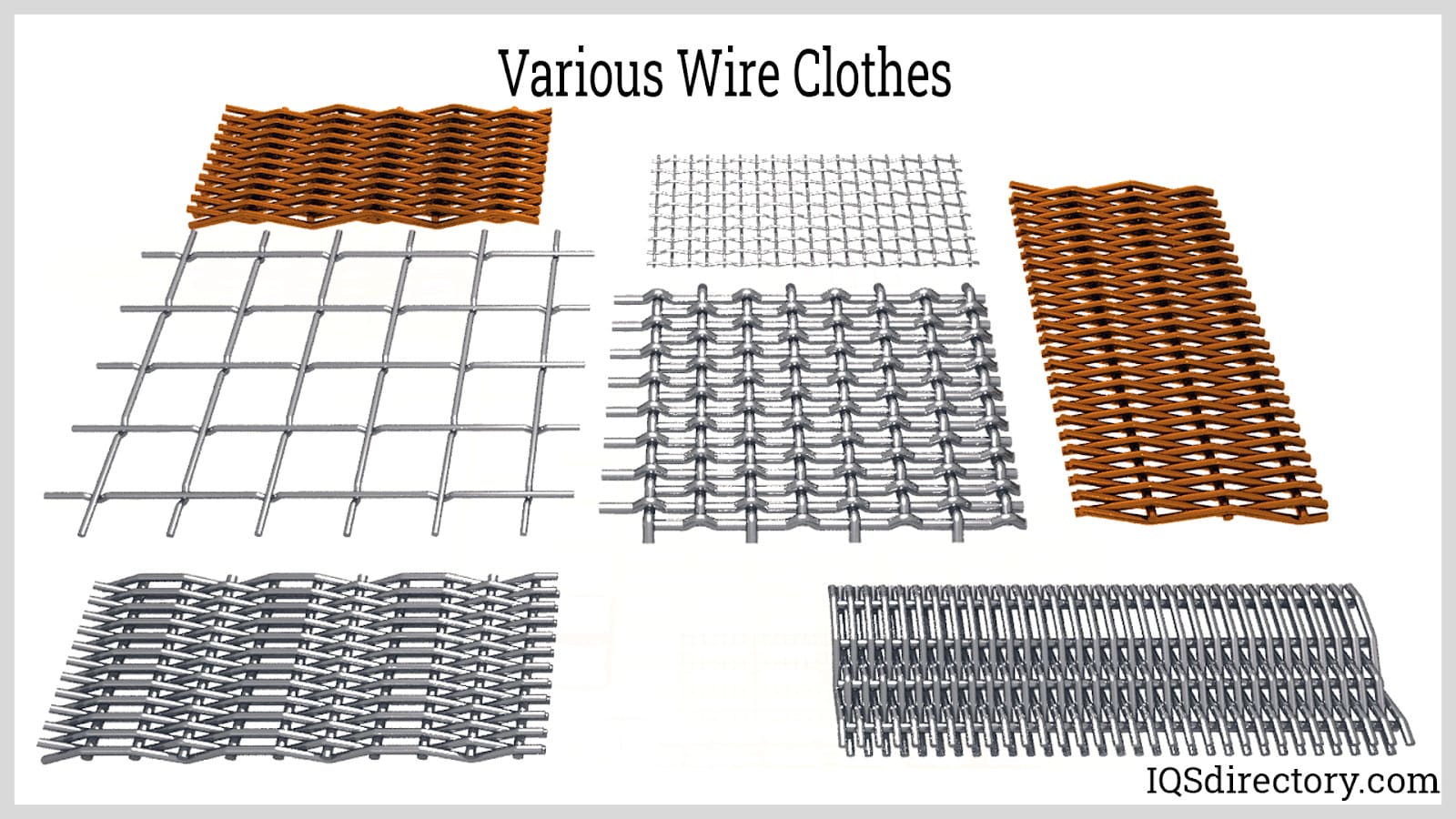
Diamond mesh refers to wire mesh in which the open spaces between wires form a diamond-shaped pattern. These openings are created by weaving or welding wires so that the intersections align diagonally, resulting in the characteristic “diamond” look. The mesh can be custom-made to precise specifications—including wire gauge, aperture size, material type, and sheet width—tailored to the unique needs of a customer’s project.
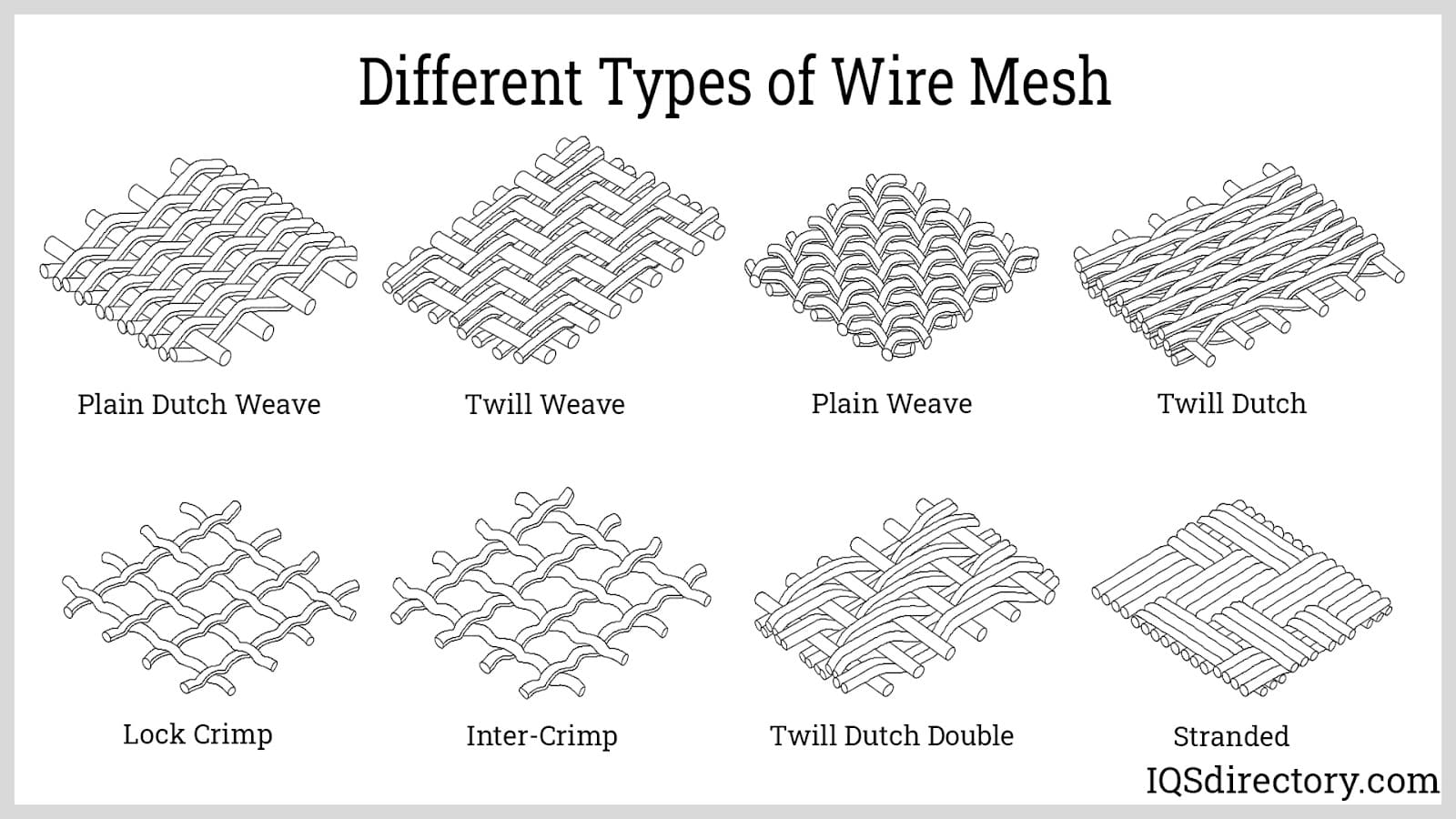
The clear space between two parallel wires, measured along the line of intersecting wires when the mesh is aligned squarely, defines the diamond mesh's aperture. For woven diamond mesh, the inter-crimp weave style is most common, which produces a flexible yet resilient mesh ideal for a variety of settings.
Diamond mesh is widely used for infill panels, wall dividers, window guards, safety cages, and fencing. Its unique pattern also makes it desirable for decorative purposes, such as copper alloy mesh for cabinetry, stainless steel mesh for automotive grilles, or architectural screens for commercial interiors.
How Is Diamond Mesh Manufactured?
The production of diamond mesh can involve either weaving or welding, two principal methods that yield distinctive performance characteristics. In the weaving process, solid wire—typically stainless steel, low-carbon steel, or aluminum alloy—is drawn through round dies to achieve the required diameter. The wires are then woven together, often using inter-crimp weaving, to form the diamond pattern.

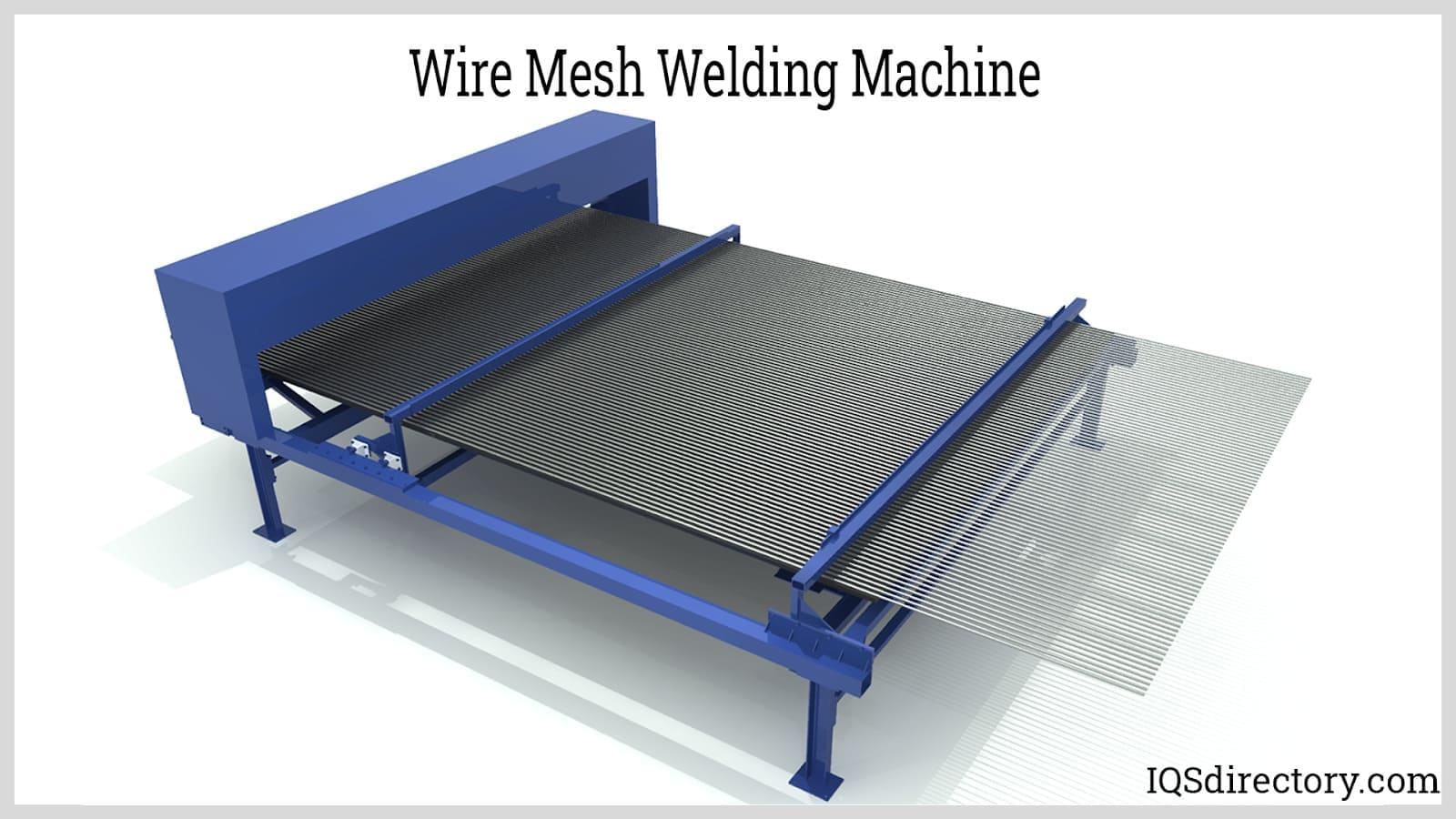
Alternatively, welded diamond mesh uses an automated process to fuse wires at their intersections with heat or electricity, creating a rigid and dimensionally stable panel. Each manufacturing method offers specific benefits: woven mesh is generally more flexible and can accommodate irregular surfaces, while welded mesh provides enhanced strength and stability for high-security or load-bearing applications.
The materials used for diamond mesh are highly influential in determining its performance characteristics. Common materials include:
- Stainless steel wire – For corrosion resistance and strength
- Low-carbon steel wire – For cost-effectiveness and ease of fabrication
- Aluminum-alloy wire – For lightweight applications and decorative use
- Copper and brass wire – For architectural and aesthetic purposes
- Galvanized steel wire – For enhanced rust resistance and longevity
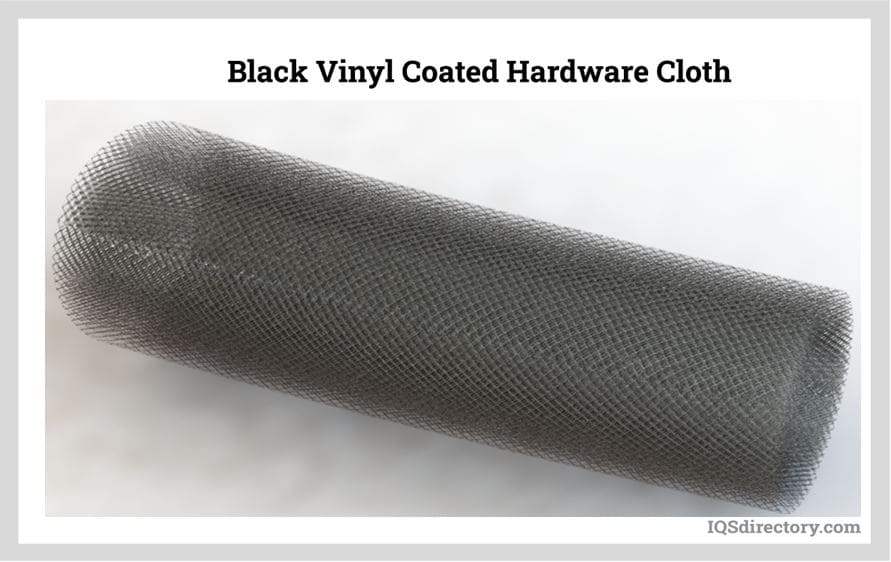
- PVC-coated wire – For color customization and additional weather protection
The narrowly spaced diamond pattern imparts the mesh with linear strength, a springy texture, and flexibility, making it ideal for environments where both protection and adaptability are required.
What Are the Key Considerations When Buying Diamond Mesh?
Choosing the right diamond mesh fencing, infill panel, or decorative mesh involves weighing several important factors. Before making a purchase, ask yourself:
- What is my primary application? (e.g., security fencing, animal enclosures, architectural panels, window guards, reinforcement mesh, etc.)
- What level of security or protection is required? Do you need anti-climb or anti-cut features?
- What material best suits my environment? Will the mesh be exposed to moisture, chemicals, or outdoor weather?
- What are my durability and maintenance expectations? How long do I need the mesh to last, and what upkeep is acceptable?
- What is my budget? Does it make sense to invest in higher-quality materials for lower lifetime costs?
- Are there regulatory or aesthetic requirements? Must the mesh meet safety codes, or blend with specific architectural styles?
Other considerations include:
- Aesthetic appeal – How important is the appearance or color of the mesh?
- Origin of manufacture – Are there preferences or restrictions regarding country of origin?
- Site topography – Will the mesh need to conform to uneven ground or structures?
- Manufacturing method – Is woven mesh flexibility preferable, or is welded mesh’s rigidity more appropriate?
- Customization – Do you require custom sheet sizes, aperture widths, or special coatings?
Looking for help choosing the ideal diamond mesh for your project?
Explore: What are the most common uses for diamond mesh? | What are the benefits of diamond mesh fencing? | How does diamond mesh compare to other wire mesh types?
Diamond Mesh Applications: Where and How Is It Used?
Diamond mesh is renowned for its adaptability, making it a popular choice across many industries. Its unique construction provides a balance of strength, flexibility, and visibility, making it suitable for both protective and decorative purposes. Below are some of the most common applications for diamond mesh products:
- Fencing and perimeter security – Used for residential, commercial, and industrial boundaries, including sports fields, schools, airports, and critical infrastructure
- Infill panels – For railing systems, balcony balustrades, stairwells, and architectural screening
- Window guards and safety screens – Deters break-ins, prevents accidents, and protects glass without blocking light
- Animal and livestock fencing – Encloses pets, livestock, or wildlife, keeping animals in while deterring predators
- Machine and equipment safety guards – Shields moving machinery from unauthorized access and protects operators
- Concrete reinforcement – Used as structural mesh in construction for added tensile strength
- Shelves and storage racks – Provides ventilated and durable surfaces for warehousing, retail, and logistics
- Sifters and screens – For filtration and separation in mining, agriculture, and food processing
- Cages and storage enclosures – Creates secure, visible enclosures for tools, inventory, or animals
- Decorative and architectural panels – Adds aesthetic value to facades, partitions, cabinetry, and interior design
Other specialty uses include:
- Temporary construction fencing
- Scaffolding safety nets
- Greenhouse and garden trellis mesh
- Vehicle grilles and automotive protection screens
- Anti-climb barriers for high-security locations
- Playground and park enclosures
Diamond mesh is often chosen for its combination of visibility, airflow, and deterrence. For example, fencing made from diamond mesh is secure yet unobtrusive, providing privacy without fully blocking the view or airflow. In animal applications, its flexibility helps prevent injury, while its strength resists both climbing and chewing.
Advantages of Diamond Mesh: Why Choose Diamond Mesh Fencing or Panels?
When evaluating wire mesh solutions for fencing, infill, or screening, diamond mesh stands out due to its numerous benefits. These include:
- High strength-to-weight ratio – The zig-zag woven or welded structure ensures impressive durability without excessive bulk
- Flexibility and springiness – Especially in woven mesh, which adapts to uneven terrain and resists sagging or rolling
- Corrosion resistance – Galvanized, stainless steel, or PVC-coated options offer outstanding resistance to rust and weather
- Low maintenance requirements – Durable coatings and materials reduce upkeep and extend service life
- Cost-effectiveness – Economical for large projects, especially when considering long-term replacement and labor savings
- Easy installation and customization – Available in rolls or sheets, and can be cut or shaped on-site
- Versatile aesthetics – Available in various colors, finishes, and mesh sizes to suit any design
- Safety and security – Prevents unauthorized access while minimizing risk of injury to people or animals
- Unobstructed visibility and airflow – Maintains open sightlines and adequate ventilation, important for many indoor and outdoor applications
Furthermore, diamond mesh can be enhanced with specialized coatings and materials for specific environments. For example, PVC-coated diamond mesh fencing provides additional protection against UV rays and chemicals, making it an excellent choice for coastal or industrial sites. Heavily galvanized mesh offers superior resistance against moisture and extreme temperatures, ideal for outdoor and agricultural use.
Still comparing diamond mesh to welded wire mesh or expanded metal mesh?
Learn more about welded wire mesh and how it differs from diamond mesh.
Diamond Mesh vs. Other Wire Mesh Types: Which Is Right for You?
When researching wire mesh options, you may wonder: How does diamond mesh compare to welded wire mesh, expanded metal mesh, or chain link fencing? Each mesh type offers unique advantages:
- Diamond mesh – Best for flexibility, ease of installation, and cost-effective security fencing for various settings
- Welded wire mesh – Preferred for rigidity, precise aperture control, and heavy load-bearing applications
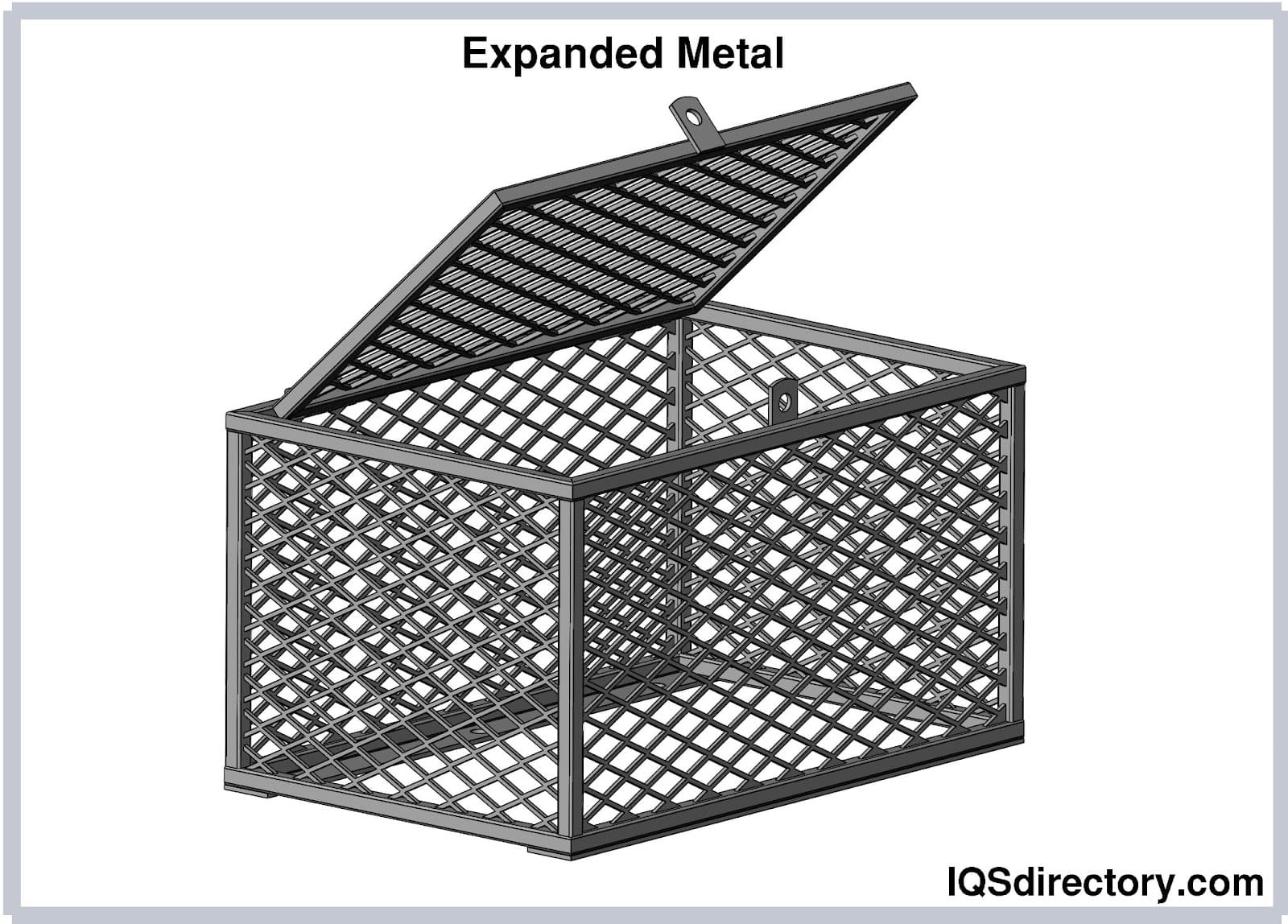
- Expanded metal mesh – Offers exceptional strength and is often used for catwalks, platforms, and industrial flooring
- Chain link fencing – Similar in appearance to diamond mesh, but typically refers to a specific woven fence design for perimeter security
Consider your project’s requirements for strength, aesthetics, flexibility, and budget when choosing the optimal mesh type. If you’re unsure, consult with a diamond mesh supplier or manufacturer to discuss your use case and request samples.
Decision Factors: How to Select the Best Diamond Mesh Supplier or Manufacturer
Choosing a reliable diamond mesh manufacturer or supplier is crucial for ensuring quality, timely delivery, and support. Here’s a step-by-step approach to help you make an informed decision:
- Research multiple suppliers – Compare at least five diamond mesh companies to evaluate quality, experience, and customer reviews.
- Assess product range and customization – Does the manufacturer offer the materials, mesh sizes, and finishes your project requires?
- Review technical support and service – Look for responsive customer service, technical expertise, and willingness to provide samples or quotes.
- Request certifications and compliance documents – Ensure products meet relevant safety, environmental, and industry standards.
- Consider logistics and lead times – Is the supplier able to deliver on schedule and handle large or custom orders?
- Check pricing and value-added services – Factor in not just material costs, but also services like cutting, coating, and installation support.
For an efficient supplier search, use our curated list of diamond mesh manufacturers and review their business profiles. Each profile details the company’s specialties, certifications, and capabilities. Utilize our proprietary website previewer to quickly compare offerings, and our streamlined RFQ (Request for Quote) form to easily contact multiple manufacturers with your requirements.
Need a quote or technical consultation?
Submit your project details using our RFQ form or contact leading diamond mesh suppliers directly for custom pricing and expert advice.
Diamond Mesh Customization: Options for Unique Projects
Modern diamond mesh fabrication allows for extensive customization to suit any application. Custom options include:
- Wire gauge (thickness) – From fine wire for decorative panels to heavy-gauge for security fencing
- Aperture size (diamond opening width) – Matched to desired balance of security, airflow, or visibility
- Sheet or roll width – For seamless installation in large areas or tight spaces
- Material selection – Choose from stainless steel, galvanized steel, copper, brass, aluminum, and more
- Finishes and coatings – PVC, powder coating, or hot-dip galvanizing for color and corrosion protection
- Edge treatments – Barbed, knuckled, or smooth edges for safety and security
- Special shapes – Panels can be cut, bent, or framed to fit bespoke designs or non-standard installations
Discuss your project’s technical requirements with your chosen manufacturer to ensure all customization options are available and optimal for your intended use case.
Frequently Asked Questions About Diamond Mesh
What is the lifespan of diamond mesh fencing?
With proper material selection and coatings (such as galvanized or PVC-coated wire), diamond mesh fencing can last 15–30 years or longer, even in harsh climates.
Can diamond mesh be used for high-security fencing?
Yes. Heavy-gauge and tightly woven diamond mesh panels are frequently specified for correctional facilities, data centers, and critical infrastructure. Anti-climb and anti-cut features can be incorporated for added security.
Is diamond mesh suitable for DIY or residential projects?
Absolutely. Diamond mesh is easy to install, cut, and shape, making it a popular choice for DIY gardeners, homeowners, and small businesses.
How do I maintain diamond mesh fencing?
Maintenance is minimal. Inspect regularly for corrosion (especially at cut edges), and clean surfaces as needed. For coated mesh, check for damage to the finish and touch up as required.
Where can I buy diamond mesh near me?
Use our directory of diamond mesh suppliers to locate trusted distributors and manufacturers in your region.
Conclusion: Why Diamond Mesh Remains a Top Wire Mesh Solution
Diamond mesh continues to be a leading choice among wire mesh products due to its proven combination of strength, flexibility, cost-effectiveness, and broad applicability. Whether your project requires robust security fencing, decorative architectural panels, or custom-shaped infill, diamond mesh delivers outstanding performance and value. By understanding the different manufacturing methods, material options, and application possibilities, you can make an informed purchase that meets your exact needs.
Ready to explore the best diamond mesh solution for your project? Contact leading diamond mesh manufacturers or request a quote today to get started!