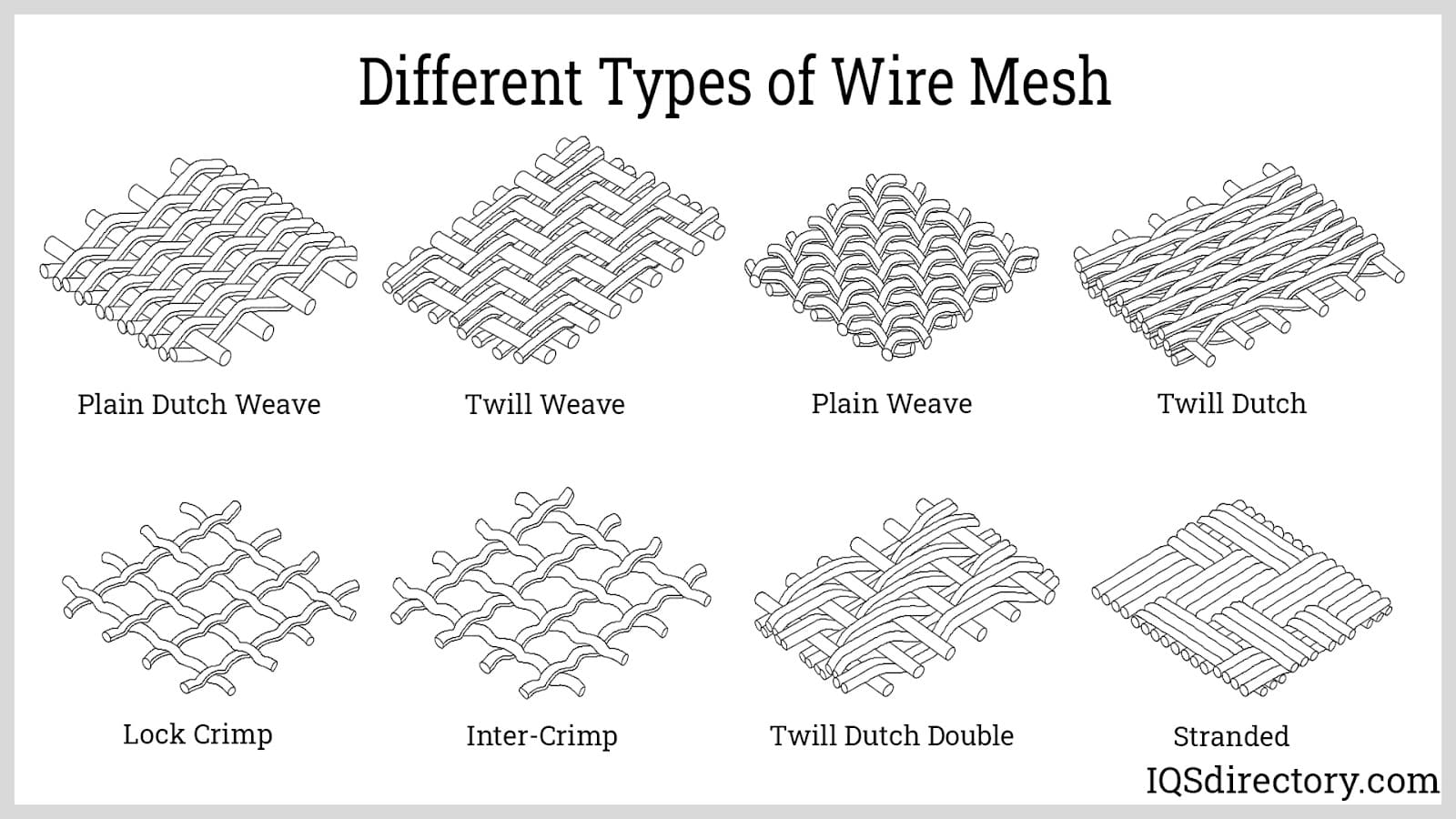
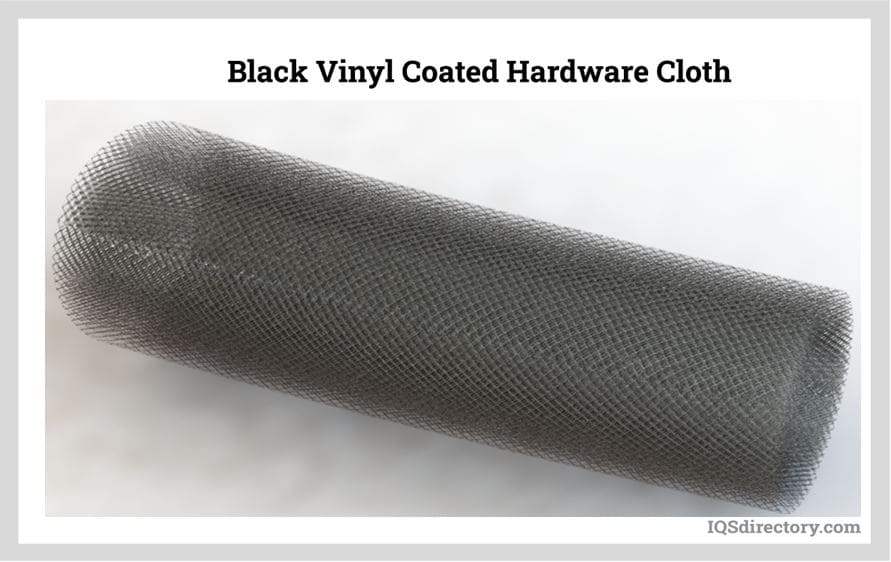
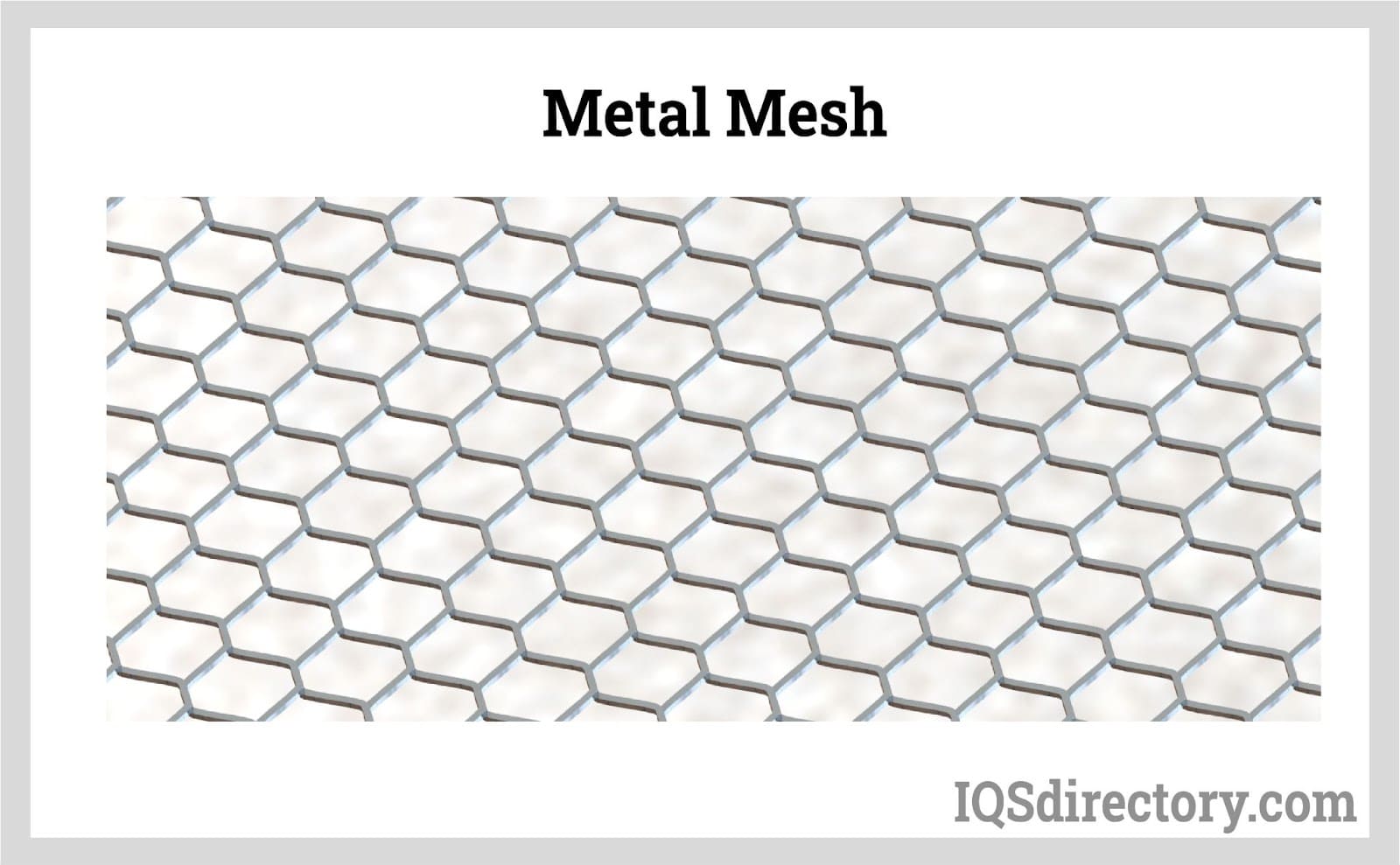
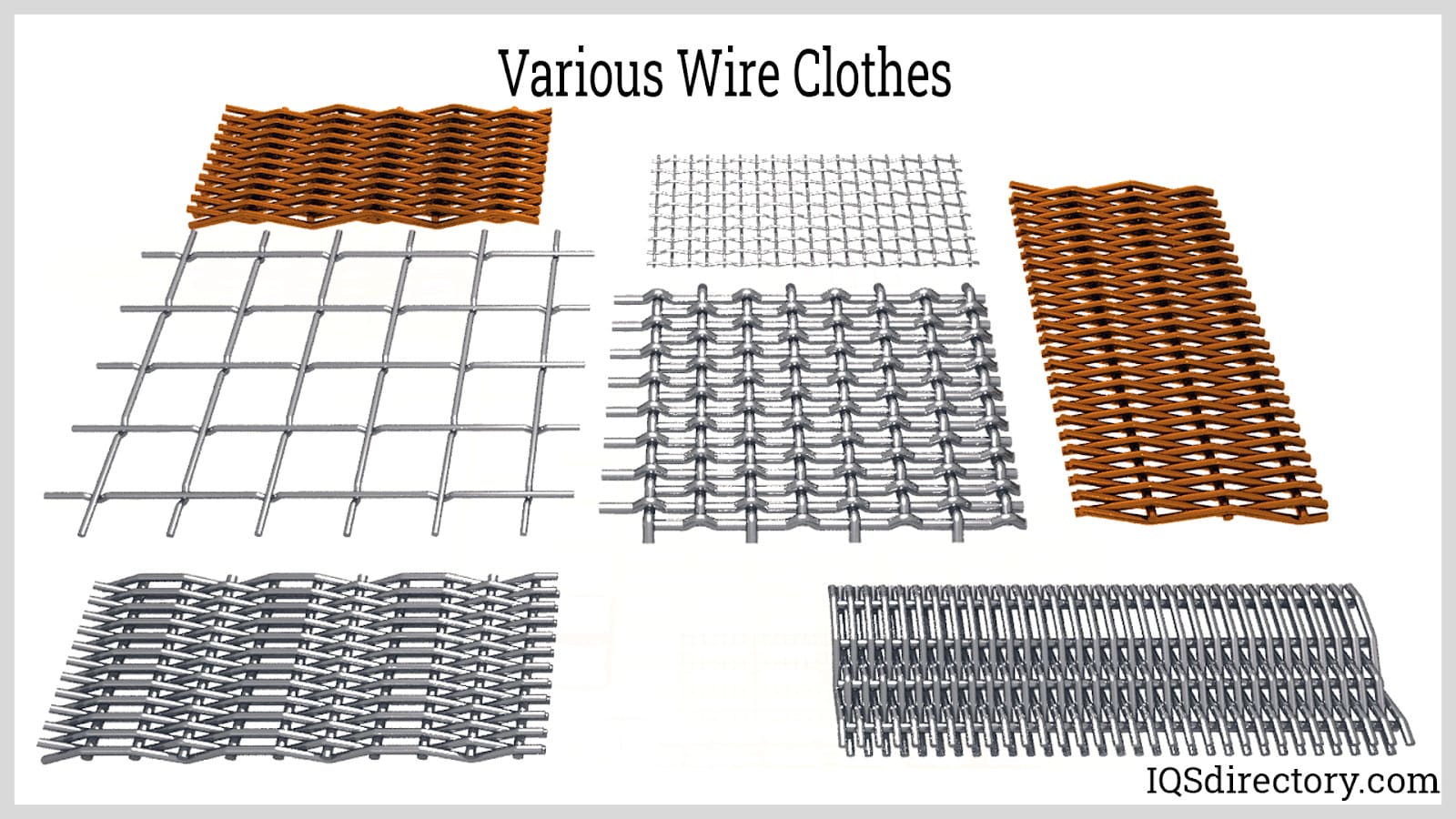
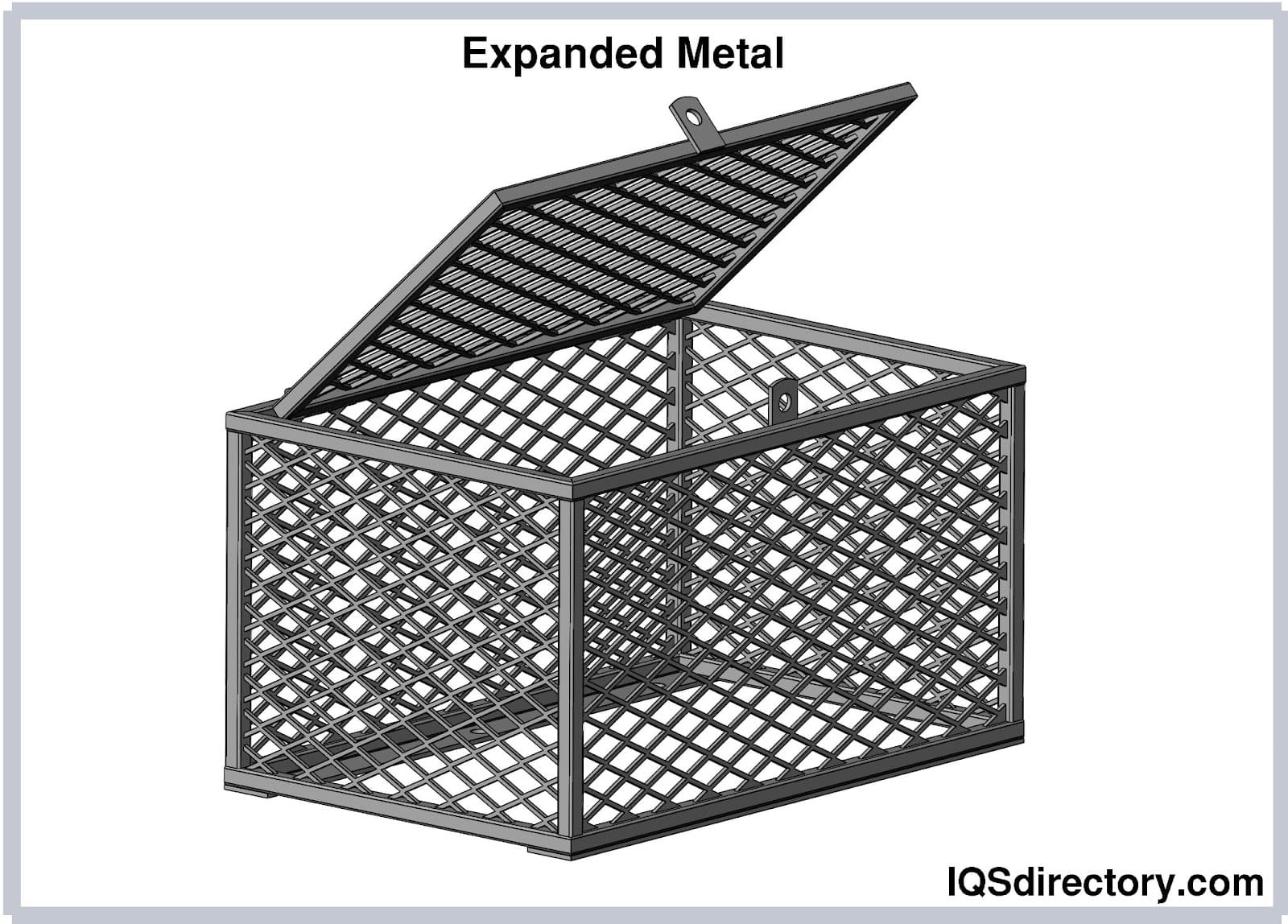
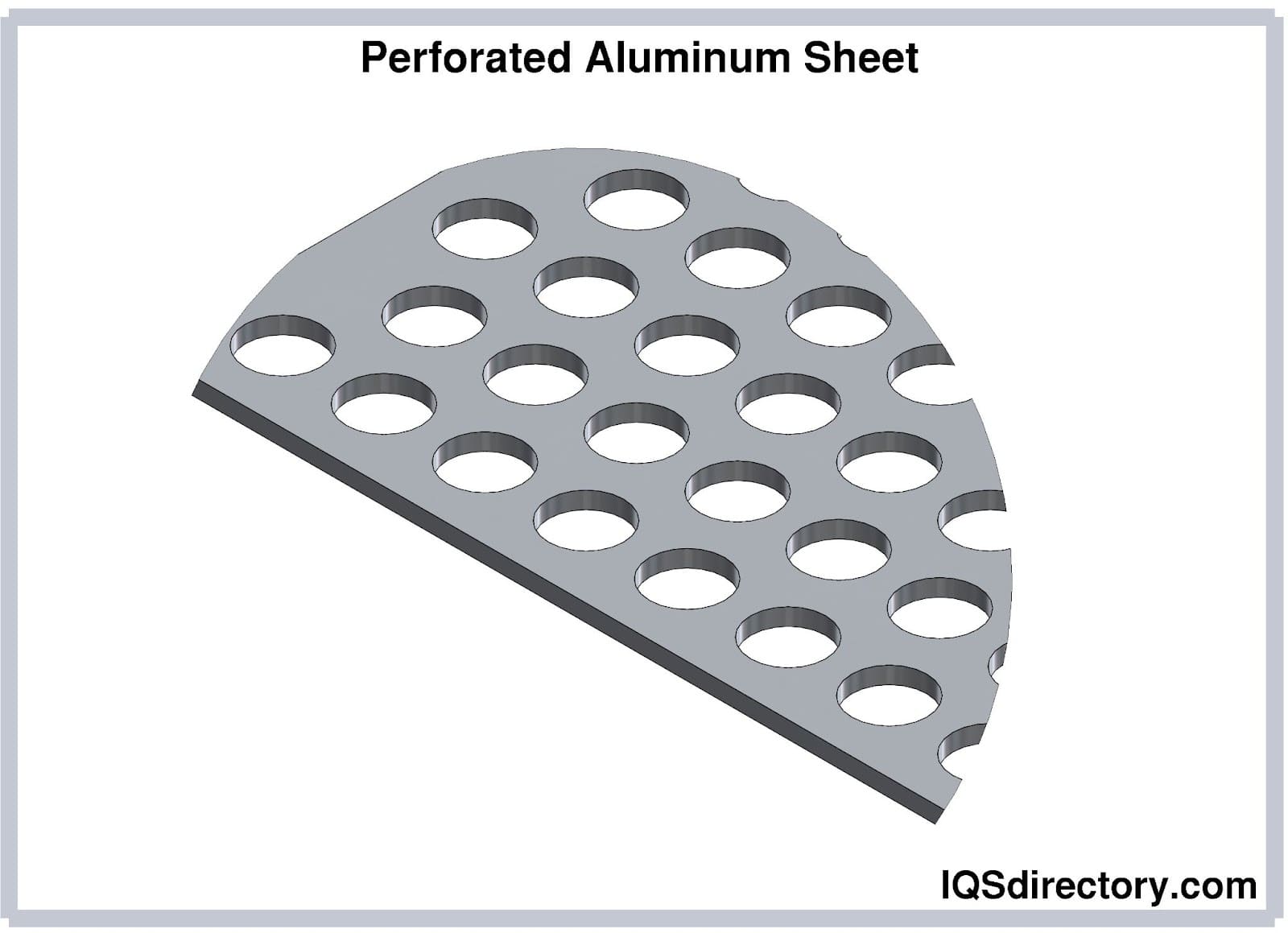
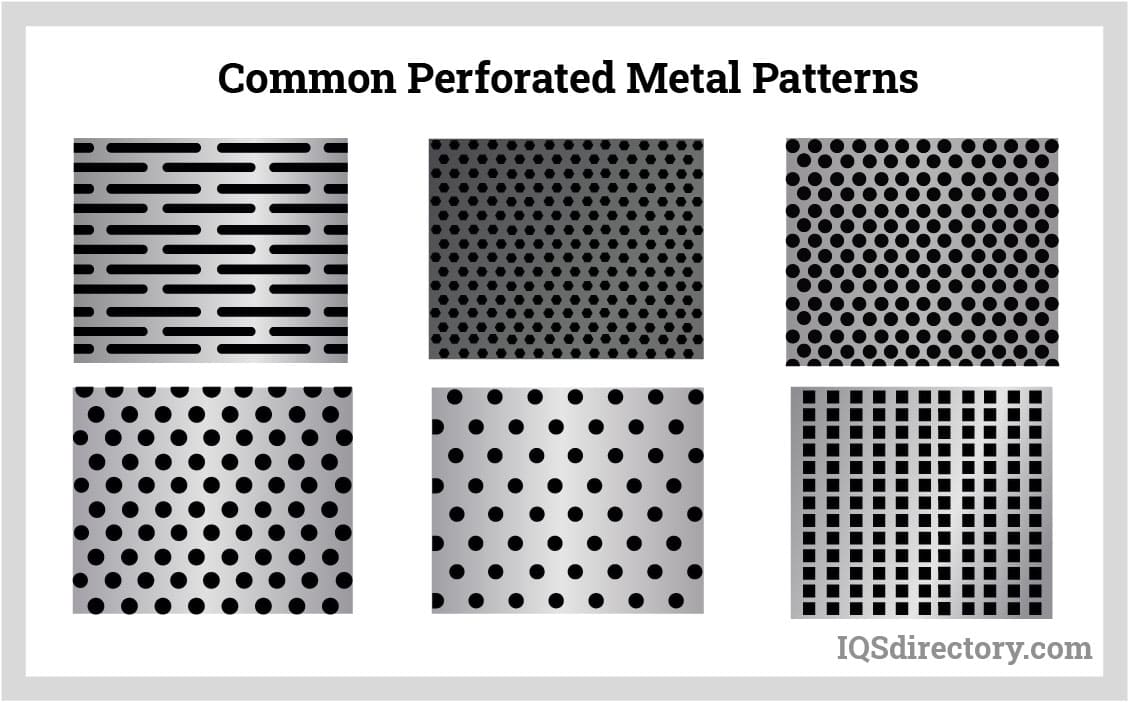
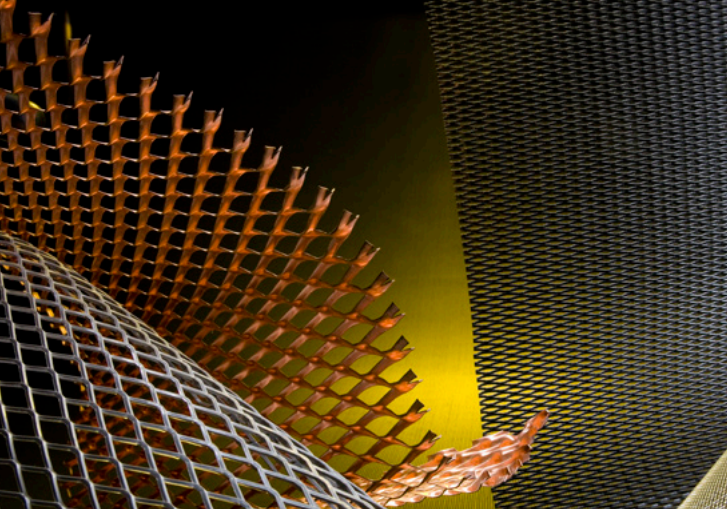
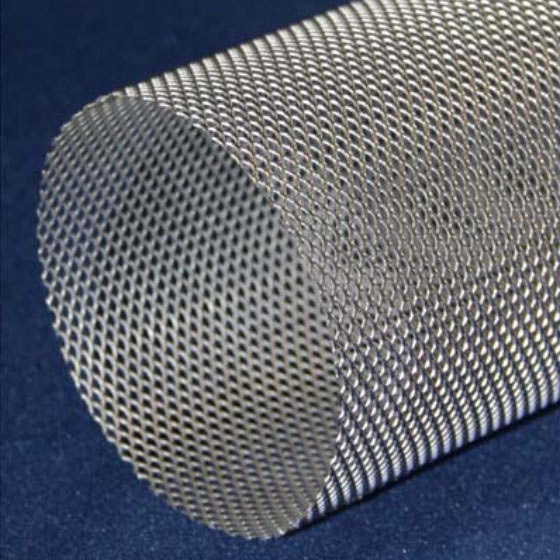
The extraordinary adaptability of wire cloth, commonly referred to as wire mesh or wire fabric, is well recognized. The matrix of wires that are placed at 90-degree angles is what makes wire mesh unique. Almost any metal, including stainless steel, copper, aluminum, nickel, molybdenum, and many others, can be used to create wire cloth products. Read More…
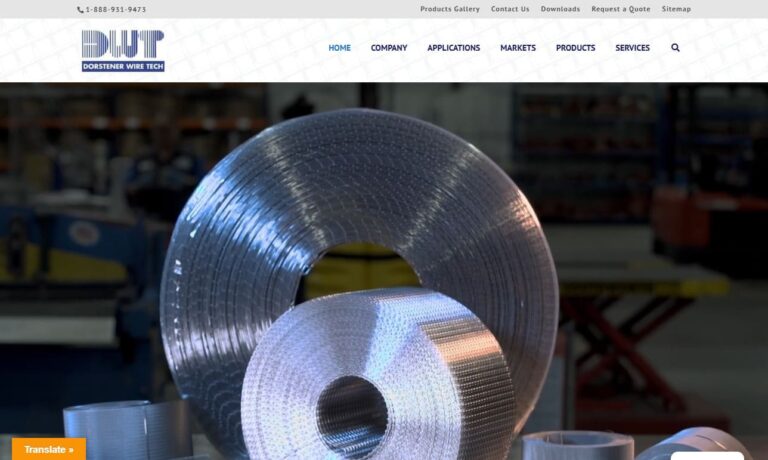
We’ve been a leading manufacturer and distributor of wire cloth/mesh for 70 years, sourcing and stocking North America’s largest selection of wire cloth products – over 5000 in our warehouse. We offer processing capabilities such as precision cutting, calendering, heat treating, cleaning and coating and weave domestically most alloys including brass, copper, Hastelloy, Monel and others into ...
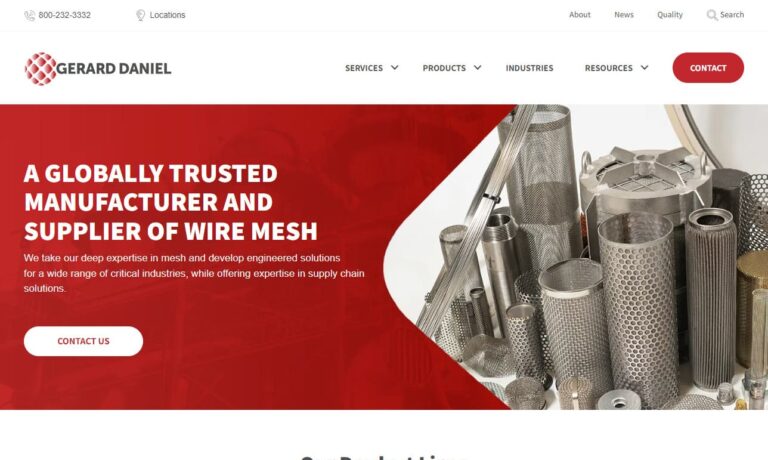
Dorstener Wire Tech manufactures and distributes stainless steel and nickel alloy filters and stainless-steel filter media. With one of the largest inventories of stainless-steel wire cloth in the United States, we offer the same and next-day service. We produce & supply Woven Wire Cloth, Welded Wire Mesh, Sintered Wire Cloth, Metallic Fiber Felt, and finished filter Elements. We service many...
For over 45 years, UWC has supplied quality mesh products for numerous industries with distinct applications. We maintain an extensive inventory of woven & welded wire cloth specifications. Also, our weaving capabilities allow us to manufacture various wire mesh styles. Our fabrication services comprise shearing, slitting and stamping options. In addition, we produce baskets, trays, cylinders,...
We have been creating wire mesh since 1979 and we strive to bring you the best. Our teams will help to find the perfect size and weave mesh for whatever your needs may be. There is no project too complex for Riverdale Mills Corporation. Contact our representatives to find out how we can get you started toward obtaining your goal! Our qualified staff is standing by awaiting your email, letter or...
Precision Screen Manufacturing is a leading manufacturer of wire cloth. We produce an extensive range of custom mesh, so our customers can ensure that Precision Screen Manufacturing can help with all of their wire cloth needs. With our team that has over 50 years of combined experience in the industry, we can supply a wide range of industries with wire cloth.



More Wire Cloth Manufacturers
Types of Wire Cloth
Wire cloth, often referred to as wire mesh, is an essential material across numerous industries, renowned for its versatility, durability, and broad range of applications. The two most common types used in manufacturing and industrial processes are woven wire mesh and welded wire mesh. Each offers unique characteristics, strengths, and is suited for specific use cases, making it critical to understand their distinctions when researching the best wire mesh solution for your project.
Woven wire mesh is produced through a meticulous process that involves precisely positioning wires in an interlocking pattern, then using a weaving loom ram to crimp the wires securely into place. This labor-intensive manufacturing method results in a high-quality, tightly controlled mesh structure, which is often preferred for demanding industrial and filtration applications where exact aperture sizes and consistency are critical. Due to the precision involved, woven wire cloth is generally more expensive but delivers superior performance and reliability.
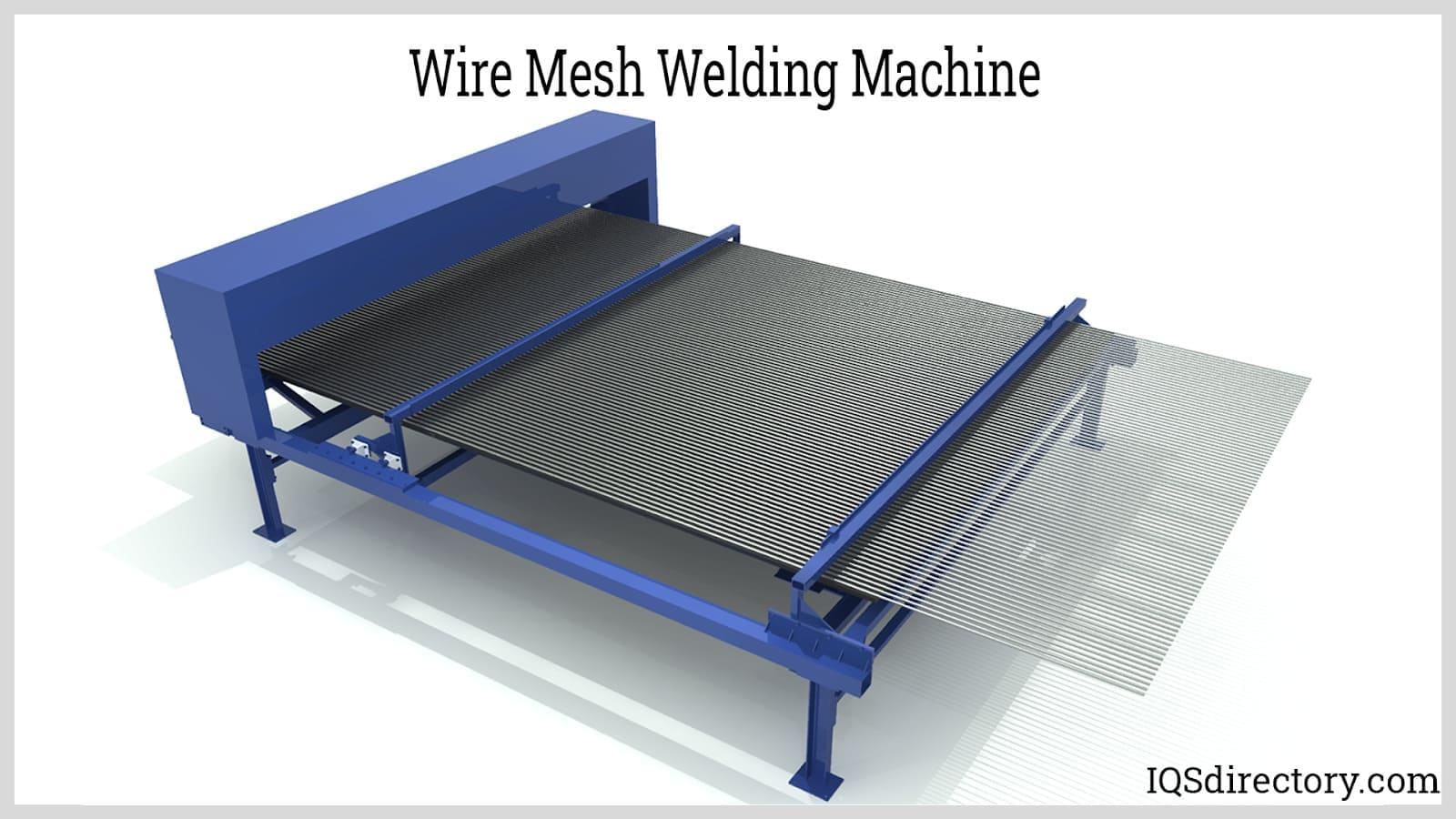
In contrast, products constructed from welded wire mesh feature parallel wires joined at their intersections using automated welding techniques. This process creates a mesh that boasts exceptional strength, rigidity, and versatility. Welded wire mesh is easy to cut or bend into various shapes without the risk of wires unraveling, making it a popular choice for fencing, reinforcement, cages, and architectural applications. The added strength and reliability of welded mesh allows it to withstand heavy loads and harsh environments, supporting a diverse range of industries.

Market-Grade Wire Cloth
Market-grade wire cloth refers to a class of woven wire mesh products available in standard, widely used wire diameter and mesh size combinations. These are manufactured from a variety of metals, including stainless steel, carbon steel, aluminum, copper, and brass, allowing for a broad selection of material properties tailored to specific applications. Market-grade meshes are engineered for general-purpose screening, sieving, and filtration tasks in industries such as construction, mining, food processing, and pharmaceuticals. Their predictable performance and ready availability make them a go-to option for projects requiring reliable filtration, separation, or protective barriers.
- Typical applications: Particle sizing, air and liquid filtration, insect screens, safety guards, architectural panels, and machine enclosures.
- Industries served: Agriculture, mining, chemical manufacturing, food and beverage, water treatment, and construction.
Space Cloth Wire Mesh
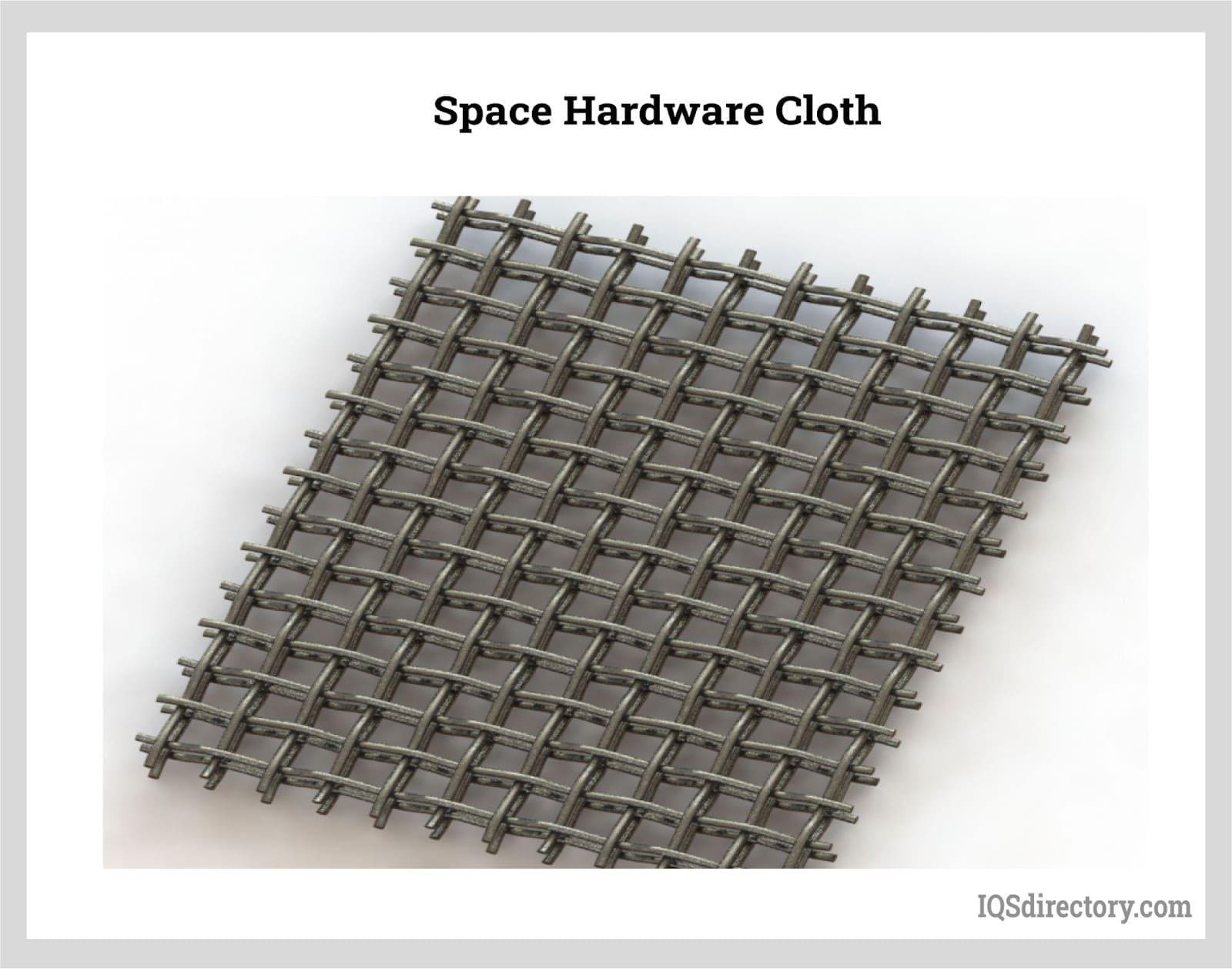
Space cloth wire mesh is distinguished by the defined, consistent gap between individual wire strands—a design feature that gives this mesh its name. Both woven and welded fabrication methods can be employed to produce space cloth, depending on the desired strength and flexibility. Space cloth is available in a variety of open area percentages, enabling precise control over airflow, material passage, or visibility, making it ideal for customized screening and separation solutions.
- Key use cases: Ventilation panels, animal enclosures, industrial sifting, gravel screens, and protective guards.
- Advantages: High degree of customization, flexibility in aperture size, and compatibility with various metals and coatings.
Refinery-Grade Wire Mesh
Refinery-grade wire mesh is engineered specifically for high-performance industrial environments found in refineries, petrochemical plants, and process industries. Available in both woven and welded forms, this mesh is manufactured to meet stringent specifications for durability, corrosion resistance, and precise filtration. It is especially valued for its robust, rigid design and continuous slot construction, which reduce the risk of plugging and optimize flow rates in critical processes.
- Common applications: Catalyst support grids, pipe fittings, sand control screens, demister pads, and pressure vessel internals.
- Material options: Stainless steel (304, 316, 316L), Inconel, Monel, Hastelloy, and other corrosion-resistant alloys.
- Benefits: Enhanced reliability in extreme temperatures and corrosive environments, long service life, precision slot sizing, and compliance with industry standards.
Galvanized Hardware Cloth
Galvanized hardware cloth is produced by applying a protective zinc coating to the wire, either before or after weaving or welding, through a hot-dip galvanization process. This results in a highly corrosion-resistant mesh that withstands prolonged exposure to moisture, chemicals, and the elements. Galvanized hardware cloth is a popular choice for outdoor and agricultural applications, where durability and performance over time are essential.

- Popular applications: Garden fencing, animal cages, pest control barriers, trellises, compost bins, and construction reinforcement.
- Why choose galvanized mesh? Cost-effective protection against rust, extended lifespan in outdoor settings, and easy installation and maintenance.
Mill-Grade Wire Cloth
Mill-grade wire cloth represents a lighter, more economical variation of market-grade mesh. Typically crafted from thinner wire diameters and offering reduced open area, mill-grade mesh is ideal for applications involving lighter materials or where fine particle separation is required. Stainless steel is the most common material, but aluminum, copper, and brass versions are also widely available for specialized screening and filtration needs.
- Typical uses: Flour sifting, seed and grain cleaning, feed screening, fine particle sieving, and laboratory analysis.
- Key benefits: Lightweight construction, cost savings, adaptability to various mesh sizes and wire diameters, and suitability for both dry and wet screening processes.
Wire Filter Cloth
Wire filter cloth is a specially woven mesh known for its exceptional toughness and durability. Featuring heavy warp wires and a robust structure, filter cloth is designed for demanding filtration and screening operations involving abrasive slurries, viscous liquids, or high solids content. Its ability to maintain structural integrity under heavy loads makes it a preferred choice for critical process filtration in mining, chemical production, and wastewater treatment.
- Primary applications: Slurry filtration, liquid-solid separation, pressure leaf filters, rotary drum filters, and vacuum filtration systems.
- Industry focus: Mining, pharmaceuticals, chemical processing, pulp and paper, and wastewater management.
- Advantages: High mechanical strength, resistance to clogging, customizable weave patterns, and compatibility with aggressive media.
Bolting Wire Cloth
Bolting wire cloth is crafted from thin, smooth, and flexible stainless steel wires, precisely woven to create fine, uniform meshes. The resulting mesh offers excellent screening properties and is renowned for its quick bolting action—rapid passage of materials through the mesh. The flat, smooth surface and square weave pattern deliver superior accuracy, making bolting cloth a staple in industries requiring precise sifting and grading.
- Key applications: Flour milling, powder sieving, pharmaceutical screening, paint and resin filtration, and food processing.
- Material preference: Stainless steel for its corrosion resistance, hygiene, and ease of cleaning.
- Performance factors: High throughput, consistent aperture size, and minimal mesh blinding or clogging.
Architectural Wire Cloth
Architectural wire mesh is increasingly popular among architects, designers, and contractors seeking to integrate functionality and visual appeal. This mesh type is available in a wide array of patterns, finishes, and materials, enabling unique design solutions for facades, partitions, sunscreens, railings, and decorative features. Besides its aesthetic versatility, architectural mesh also delivers benefits such as enhanced security, light control, and ventilation.
- Design applications: Building facades, interior wall panels, stairways, balustrades, security screens, and public art installations.
- Material choices: Stainless steel, brass, bronze, copper, aluminum, and powder-coated options for custom aesthetics.
- Why architects choose wire mesh: Durability, sustainability, ease of integration, and endless customization possibilities.
Considerations When Choosing Wire Cloth Products
With a wide array of wire cloth types and specifications available, selecting the best mesh product for your application requires careful evaluation of multiple factors. If you're wondering, "What wire mesh is best for my project?" or "How do I select the right wire cloth?", consider the following critical criteria:
- Mesh Size (Aperture Size): The diameter of the mesh openings directly impacts the size and type of materials that can pass through. Mesh sizes range from microns (for ultra-fine filtration) to several inches (for coarse screening). Choose a mesh size based on the particle size of your material and your separation or filtration goals.
- Mesh Count (Mesh Number): This refers to the number of wires per linear inch. Higher mesh counts indicate finer filtration, while lower counts are suitable for coarse separation. For example, a 100 mesh has 100 openings per inch, ideal for fine powders, while a 4 mesh is for larger particles or debris.
- Wire Diameter: The thickness of the individual wires affects the mesh's strength, flexibility, and open area. Thicker wires provide greater durability and rigidity but reduce open area and flow rate.
- Open Area Percentage: The proportion of open space in the mesh influences flow rate, light transmission, and filtration efficiency. High open area is needed for maximum flow, while lower values provide greater structural integrity.
- Weave Type / Construction Style: Woven wire cloth can be produced in various weave patterns, such as plain weave, twill weave, or Dutch weave. Each pattern offers unique performance characteristics. For welded mesh, grid pattern and wire spacing are key considerations.
- Material Selection: Choose from stainless steel, galvanized steel, aluminum, copper, brass, or specialized alloys based on corrosion resistance, mechanical strength, temperature tolerance, and cost constraints. Learn more about wire mesh materials and their properties.
- Application Environment: Consider exposure to moisture, chemicals, extreme temperatures, UV light, and mechanical stress. For example, stainless steel wire mesh is ideal for corrosive or hygienic environments.
- Compliance and Certification: For critical industries, ensure your wire cloth meets ASTM, ISO, FDA, or other regulatory standards for safety and performance.
Need help matching your project requirements to the right wire mesh? Ask yourself:
- What is the primary function—filtration, separation, reinforcement, or aesthetics?
- What material will the mesh be in contact with (liquids, chemicals, food, abrasive solids)?
- What mechanical or environmental stresses will the mesh face?
- Are there industry-specific standards or certifications to meet?
- What are the long-term maintenance and replacement considerations?
Wire Cloth Applications Across Industries
Wire cloth is utilized in a vast range of sectors, each with unique requirements and performance expectations. Understanding these diverse industry applications can help you identify the most suitable mesh for your needs:
- Filtration and Separation: Used in water treatment, oil and gas processing, chemical manufacturing, pharmaceuticals, and food and beverage industries for filtering solids from liquids or gases. Common mesh types: filter cloth, Dutch weave, mill-grade.
- Screening and Sizing: Essential in mining, quarrying, and aggregate processing for classifying and separating materials by size. Common mesh types: market-grade, space cloth, bolting cloth.
- Reinforcement: Embedded in concrete, plaster, or composite materials for structural support in construction and civil engineering. Common mesh types: welded wire mesh, galvanized hardware cloth.
- Security and Safety: Used for machine guards, window screens, fencing, and barriers to protect people, property, and equipment. Common mesh types: welded mesh, galvanized mesh, architectural mesh.
- Architectural and Decorative: Integrated into building facades, partitions, and furniture for modern visual appeal and functional benefits. Common mesh types: architectural wire mesh, custom woven mesh.
- Automotive and Aerospace: Applied in filters, grilles, and protective screens for engines, hydraulic systems, and ventilation. Common mesh types: stainless steel mesh, fine filter cloth.
Wondering how to choose wire mesh for a specific industry? Explore our in-depth guides on industrial wire mesh applications and architectural mesh solutions.
Benefits of Using Wire Cloth
Wire cloth offers a host of advantages, making it a preferred solution over alternative materials in many settings:
- High Strength-to-Weight Ratio: Delivers robust performance while remaining lightweight and easy to handle.
- Customizability: Manufactured in countless mesh sizes, materials, and weaves to suit any application.
- Corrosion and Chemical Resistance: Specialized coatings and alloy selections ensure longevity in demanding environments.
- Excellent Flow and Filtration: Optimized open area enables efficient passage of air, fluids, or solids while capturing unwanted particles.
- Durability and Long Service Life: Withstands abrasion, impact, and environmental exposure, reducing replacement frequency and maintenance costs.
- Ease of Fabrication and Installation: Can be cut, bent, framed, or welded to fit custom shapes and sizes.
- Eco-Friendly and Sustainable: Many wire cloths are recyclable and support green building initiatives.
Looking for ways to maximize the value of your wire mesh investment? Contact our experts or request a quote for project-specific recommendations.
Decision Factors: Wire Cloth Selection and Purchasing
To ensure a successful outcome when sourcing wire cloth for your project, it’s essential to evaluate not only product specifications but also your supplier’s capabilities, service, and reputation. Here are key decision factors to consider:
- Supplier Expertise: Does the manufacturer have experience with your particular application or industry?
- Customization Services: Can the supplier provide custom fabrication, cutting, or finishing to match your requirements?
- Quality Assurance: Are there quality control measures, testing protocols, and certifications in place?
- Lead Times and Availability: Does the supplier maintain inventory or offer rapid production for urgent needs?
- Technical Support: Is there expert guidance available for design, selection, and installation?
- Price and Value: Are you receiving a competitive quote for the level of quality and service required?
Ready to compare wire mesh suppliers or get a customized quote? Use our wire cloth manufacturer directory to browse companies by expertise, review business profiles, and submit your RFQ to multiple suppliers with a single form.
Choosing the Correct Wire Cloth Manufacturer
Finding the right wire cloth manufacturer is crucial for ensuring product quality, timely delivery, and overall project success. Our comprehensive directory of wire cloth manufacturers allows you to easily compare multiple companies, each with a dedicated business profile showcasing their technical capabilities, materials expertise, and service offerings. Direct communication is streamlined with built-in contact forms for requesting detailed information, technical support, or a formal quote.
To make the most informed decision:
- Review each company’s specialties and manufacturing processes using our patented website previewer.
- Assess their experience with similar projects or industries.
- Evaluate customer service responsiveness and technical support resources.
- Use our simple RFQ form to simultaneously contact multiple wire cloth companies and compare proposals.
Whether you’re evaluating wire cloth for filtration, screening, reinforcement, or architectural design, the right knowledge and supplier partnership are key to optimizing performance and value. Start your search with our trusted resources and industry-leading expertise to ensure project success from concept to installation.